FIDE Presidential Race Enters Decisive phase as Legends Reshape Global Chess Governance
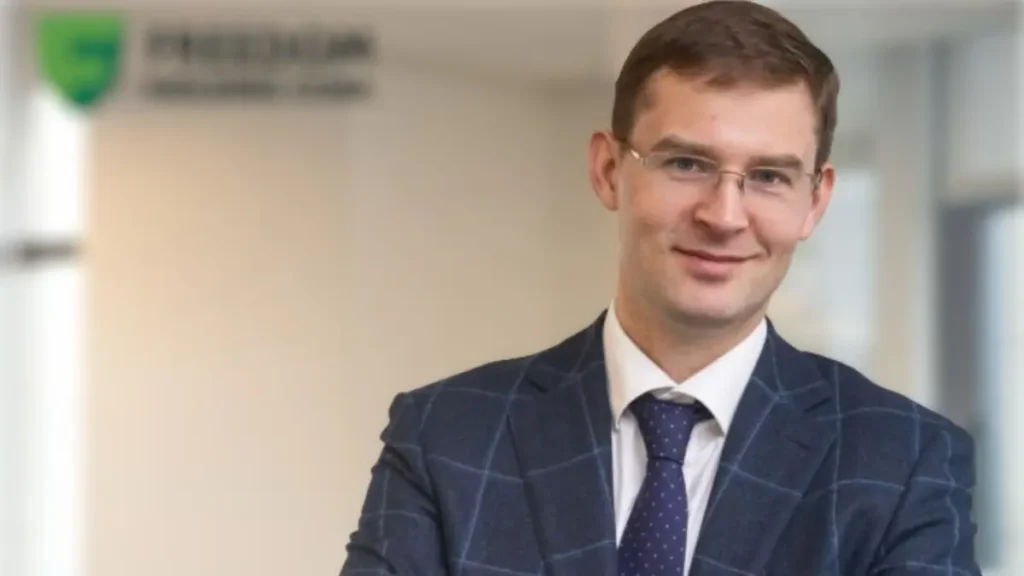
As the nomination window slammed shut on July 26, 2026, the chess world finds itself in uncharted territory. The sudden EU sanctions against incumbent President Arkady Dvorkovich have triggered an emergency leadership transition, elevating five-time World Champion Viswanathan Anand to Interim President and completely altering the dynamics of the upcoming election in Samarkand. With four powerful tickets now locked in, the September General Assembly promises to be one of the most fiercely contested votes in FIDE’s modern history.
Beyond the personalities, this election will determine how chess balances tradition with commercialization, how smaller federations are supported amid growing Asian dominance, and how the sport adapts to the demands of a digital-first audience. The next FIDE administration inherits a booming “prodigy era,” lucrative streaming opportunities, and complex geopolitical challenges that could redefine the game for the next decade.
1. The Frontrunner Emerges: Turlov-Anand Alliance Signals Stability and Growth
The most formidable ticket belongs to Kazakh billionaire Timur Turlov and chess legend Viswanathan Anand. Originally positioned as Dvorkovich’s Deputy candidate, Turlov swiftly stepped up to run for President following the sanctions crisis. Anand, who has served as Deputy President since 2022, brings unparalleled credibility and widespread support, particularly from India and much of Asia.
Their “Modernization with Stability” platform focuses on financial independence from state subsidies, aggressive expansion of the FIDE Circuit, better prize funds for mid-level Grandmasters, and continued development programs in emerging regions. Turlov’s business acumen — as founder of Freedom Holding Corp and a major chess sponsor — combined with Anand’s legendary status gives the ticket strong momentum heading into Samarkand.
2. The Corporate Disruptor: Rosenstein Pushes for a Professional League Model
Challenging the establishment is German entrepreneur Wadim Rosenstein, CEO of the WR Group and organizer of high-profile private events. Rosenstein’s campaign is built on the success of his independent circuit and envisions FIDE operating more like a dynamic professional sports body — with faster decision-making, stronger sponsorship pipelines, and significantly higher earnings for top players.
Backed by several European federations and tech-industry partners, Rosenstein promises to triple commercial revenue for the World Championship cycle. His message resonates with Grandmasters who have grown frustrated with bureaucratic delays and modest prize funds in official events. This ticket represents the clearest call for radical structural reform.
3. The Visionary Innovator: Buettner Champions Format Evolution and Viewership
Jan Henric Buettner, the driving force behind the Freestyle Chess (Chess960) World Championship, offers the most forward-looking platform. Partnering with respected English organizer Malcolm Pein, Buettner argues that classical chess risks “draw death” in the eyes of modern audiences and calls for greater official integration of faster formats and Chess960.
His campaign emphasizes player compensation for broadcast rights, shorter time controls to boost excitement, and making chess more accessible and entertaining for streaming platforms. While currently an underdog, Buettner has successfully shifted the global conversation toward innovation and long-term commercial sustainability.
4. The Veteran Outsider: Ilyumzhinov Mobilizes Developing Federations
In a dramatic subplot, former FIDE President Kirsan Ilyumzhinov (1995–2018) is attempting a political comeback. Campaigning under the banner of unity and support for smaller nations, Ilyumzhinov is actively courting votes from African, Latin American, and Eastern European federations that sometimes feel overshadowed by big-money European and Asian interests.
Despite past controversies and legal hurdles, his deep network and “One Nation, One Vote” philosophy ensure he cannot be ignored. Ilyumzhinov promises increased development funding and a return to grassroots focus, creating a clear “elite vs. developing world” tension in the assembly halls.
5. Immediate Implications for the World Championship and Olympiad
The timing could not be more sensitive. With defending champion Gukesh D preparing to face challenger Javokhir Sindarov in November, the new leadership will have mere weeks to finalize venue, sponsorship, and broadcast deals. A Turlov-Anand victory is expected to ensure smooth continuity, while other outcomes could trigger rapid changes in commercial partnerships.
Meanwhile, all eyes turn to the 46th Chess Olympiad in Samarkand, which will double as both a celebration of the game and the arena for this high-stakes political transition. India’s bloc, bolstered by Anand’s presence, currently appears influential, but regional alliances are still forming.
The Road to Samarkand: A Defining Moment for Chess
Over the next 48 hours, the FIDE Electoral Commission will verify the final candidate list. What follows will be two months of intense lobbying, manifesto releases, and behind-the-scenes negotiations. For professional players, national federations, and millions of fans, the outcome will directly influence tournament schedules, earnings potential, format evolution, and the global accessibility of chess for years to come.
This is more than an election — it is a referendum on the future identity of the world’s oldest mind sport in the 21st century.

Prochess.Online
prochess.online is built and maintained independently, focused on free, privacy-first chess tools powered by Stockfish 18.